

Downsizing Your Home

Downsizing Your Home

Downsizing Your Home: A Practical Guide to Moving from a Larger Space to a Smaller One

Downsizing—moving from a larger home to a smaller one—is increasingly common as people approach retirement, become empty nesters, seek to simplify their lives, or want to reduce housing costs. While the benefits of downsizing are numerous (lower maintenance, reduced expenses, simplified lifestyle), the process of deciding what to keep and what to let go can feel emotionally overwhelming and logistically challenging.

This comprehensive guide walks you through the downsizing process, from the initial decision-making to settling comfortably into your smaller space, making the transition as smooth and stress-free as possible.

Why People Downsize

Understanding your personal motivations for downsizing helps maintain focus when the process becomes difficult.

Empty Nesters: Once children leave home, many families find they no longer need a large house. Extra bedrooms sit empty, yards require more maintenance than desired, and the space feels too big.

Retirement Planning: Downsizing before or during retirement reduces housing costs, frees up equity for retirement funds, and simplifies maintenance responsibilities when you’d rather spend time on hobbies and travel.

Financial Considerations: Smaller homes typically mean lower mortgages or rent, reduced property taxes, lower utility bills, and decreased maintenance costs. For some, downsizing makes financial sense regardless of age.

Lifestyle Simplification: Many people are embracing minimalism and recognizing that possessions can become burdens. Downsizing forces intentional decisions about what truly adds value to life.

Health or Mobility Issues: As we age, large homes with stairs and extensive upkeep can become physically challenging. Smaller, single-level homes better accommodate changing physical needs.

Environmental Concerns: Smaller homes have smaller carbon footprints. Environmentally conscious individuals often downsize to reduce their environmental impact.

The Emotional Challenges of Downsizing

Before diving into the practical aspects, acknowledge that downsizing is emotionally complex. Your home holds memories, and your possessions tell your life story. It’s normal to feel:

Grief and Loss: Saying goodbye to a home where you raised children or spent decades can feel like losing a part of yourself.

Overwhelm: Looking at decades of accumulated possessions and deciding what to do with everything can feel paralyzing.

Guilt: Letting go of gifts, heirlooms, or items you spent money on can trigger guilt.

Fear: Worrying about regretting decisions or needing something you got rid of.

These feelings are valid and normal. Give yourself grace and time to process emotions while moving forward with practical steps.

Creating Your Downsizing Timeline

Successful downsizing requires adequate time. Rushing leads to hasty decisions you might regret and unnecessary stress.

6-12 Months Before Moving

Start Early: Begin the process as soon as you decide to downsize. Even if you haven’t sold your house or found your new home, you can start decluttering.

Make a Plan: Create a realistic timeline and break the project into manageable phases. Trying to tackle everything at once leads to burnout.

Measure Your New Space: If you’ve already found your new home, measure rooms carefully. If you’re still house-hunting, have a general sense of typical sizes in your target category (apartment, condo, small house).

3-6 Months Before Moving

Room-by-Room Decluttering: Work systematically through your home. Start with the easiest rooms (guest rooms, storage areas) to build momentum before tackling emotionally challenging spaces.

Make Decisions About Large Items: Decide which furniture pieces will fit in your new space. Measure carefully—that beloved sectional may simply not fit in a smaller living room.

Digitize When Possible: Scan important documents, photos, and memorabilia. This preserves memories while drastically reducing physical storage needs.

1-3 Months Before Moving

Finalize Decisions: Complete your sorting and decision-making. Everything should be categorized as keeping, selling, donating, or discarding.

Sell or Donate Items: Execute your plan for items you’re not keeping. Host estate sales, list items online, or contact donation centers.

Hire Professional Help: This is the time to book your moving company and any other professional services you need.

The Sorting Process: Making Decisions

The heart of downsizing is deciding what to keep and what to let go. These strategies help with this challenging process.

The Four-Box Method

For each room, use four boxes or designate four areas:

Keep: Items moving with you to your new home Sell: Items with value that you’ll sell Donate: Usable items you no longer need Discard: Broken, worn-out, or unsellable items

Be honest and decisive. If you’re unsure about an item, set it aside in a “maybe” pile to revisit later.

Questions to Ask About Each Item

Do I use this regularly? If you haven’t used something in a year, you likely don’t need it.

Does this fit my new space? Physically and aesthetically, will it work in your smaller home?

Do I love this? Items that bring you joy deserve space. Those that don’t serve a clear purpose or make you happy can go.

Can I replace this easily if needed? If an item is inexpensive and readily available, you can let it go knowing you could replace it if necessary.

Am I keeping this out of obligation? Guilt-based keeping (gifts you don’t like, inherited items you don’t want) weighs you down. It’s okay to let go.

Does this reflect who I am now? We change over time. Items that served past versions of ourselves don’t necessarily need to follow us into new chapters.

Special Categories That Challenge Downsizers

Books: If you’re a book lover, this is especially hard. Keep favorites you’ll reread, reference books you use, and books with sentimental value. Consider e-readers for future reading. Donate the rest to libraries, schools, or literacy programs.

Kitchen Items: Kitchens accumulate duplicates and specialized gadgets. Keep one set of everything (you don’t need three different sizes of spatulas), let go of single-purpose gadgets you rarely use, and be realistic about cooking habits in retirement or a smaller space.

Clothing: If you haven’t worn it in a year, you probably won’t miss it. Keep clothes that fit, that you actually wear, and that make you feel good. Let go of “someday” clothes, worn-out items, and duplicates.

Sentimental Items: This is the hardest category. You can’t keep everything, but you shouldn’t feel you must purge all meaningful items either. Keep pieces that are most meaningful, take photos of others before letting them go, and consider creating memory books or shadow boxes that consolidate many items’ memories into one display.

Collections: If you have extensive collections (figurines, coins, stamps, etc.), decide if these still bring you joy or have become a burden. Consider selling valuable collections, donating to museums or interest groups, or keeping only the most meaningful pieces.

Photos: This requires its own project. Scan photos to preserve them digitally, create photo books of highlighted memories, and keep only the best physical photos in albums you’ll actually look through.

Children’s Items: If your children are grown, it’s not your responsibility to store their belongings indefinitely. Give them a deadline to collect items or decide their fate together.

Downsizing Your Home

Practical Strategies for Success

One Room at a Time

Don’t try to declutter your entire house at once. Focus on one room completely before moving to the next. This creates visible progress that motivates you to continue.

The 12-12-12 Challenge

Each day, find 12 items to throw away, 12 items to donate, and 12 items to return to their proper home. This creates daily decluttering momentum without overwhelming you.

Take Photos

Before letting go of sentimental items, take photos. You’re not losing the memories, just the physical object. Digital photos preserve the memory without the storage requirement.

Get Help

Don’t do this alone. Enlist help from:

Family Members: Adult children can help sort items, claim things they want, and provide emotional support (though be prepared—they may want less than you expect).

Friends: A trusted friend provides objective perspective and moral support without the emotional investment family members might have.

Professional Organizers: For those feeling completely overwhelmed, professional organizers specialize in downsizing and can provide expert guidance and hands-on help.

Moving Companies: Professional movers like TrustWay Movers & Logistics often offer packing and organizing services that can streamline the process significantly.

Disposing of Items You're Not Keeping

Once you’ve decided what’s not moving with you, execute your plan for these items:

Selling Items

Estate Sales: Professional estate sale companies manage the entire process—pricing, advertising, staffing, and conducting the sale—for a percentage of profits. This works well for those with many items to sell.

Online Marketplaces: Sites like Facebook Marketplace, Craigslist, or eBay let you sell directly. This requires more effort but you keep all profits.

Consignment Shops: For clothing, furniture, and household goods in good condition, consignment shops handle selling for you and take a percentage.

Specialty Buyers: Antique dealers, jewelry buyers, and used bookstores pay immediately, though often less than you might get selling directly.

Donating Items

Charitable Organizations: Many charities accept household goods, furniture, and clothing. Some offer pickup services for large items.

Schools and Community Organizations: Schools, churches, community centers, and theater groups often welcome donations of specific items they can use.

Habitat for Humanity ReStores: These stores accept furniture, appliances, and building materials, with proceeds supporting Habitat’s mission.

Women’s or Homeless Shelters: These organizations often need household items, linens, and toiletries.

Get Receipts: For tax purposes, obtain receipts for donations. The value may be tax-deductible.

Proper Disposal

Recycling: Many items can be recycled rather than sent to landfills. Research local recycling programs for electronics, hazardous materials, and other specialized items.

Shredding: Documents with personal information should be shredded, not just thrown away.

Hazardous Waste: Paint, chemicals, and electronics require special disposal. Check with your local waste management for collection events or drop-off locations.

Planning Your New Space

As you downsize your possessions, simultaneously plan how you’ll use your new, smaller space efficiently.

Measure Everything

Measure rooms in your new home and major furniture pieces you plan to keep. Create a floor plan on paper or using free online tools to ensure everything fits before moving day.

Think Vertically

In smaller spaces, use vertical storage: tall bookcases, wall-mounted shelves, and hanging organizers maximize storage without taking floor space.

Multi-Functional Furniture

Choose furniture that serves multiple purposes: ottomans with storage, beds with drawers underneath, dining tables that fold down when not in use, or a guest bed that’s also a comfortable sofa.

Smart Storage Solutions

Built-in storage, under-bed containers, over-door organizers, and closet systems maximize every inch. Invest in good storage solutions that keep your new home organized and clutter-free.

The Moving Process When Downsizing

Hire Professional Help

Downsizing moves often benefit even more from professional help than standard moves. You’re not just moving—you’re carefully selecting what moves and what doesn’t.

TrustWay Movers & Logistics specializes in downsizing moves, understanding the unique challenges. Our services include:

Packing Services: We can pack your entire home or just difficult items, using professional materials and techniques.

Storage Solutions: If your closing dates don’t align or you need time to sell items, we offer secure storage.

Specialized Handling: We know how to safely move furniture and special items into smaller spaces, including navigating stairs and tight spaces common in apartments and condos.

Donation Coordination: We can help coordinate donation pickups for items you’re not taking.

Pack Strategically

Essential Box: Pack a box with items you’ll need immediately in your new home: toilet paper, soap, towels, bed linens, coffee maker, and basic dishes.

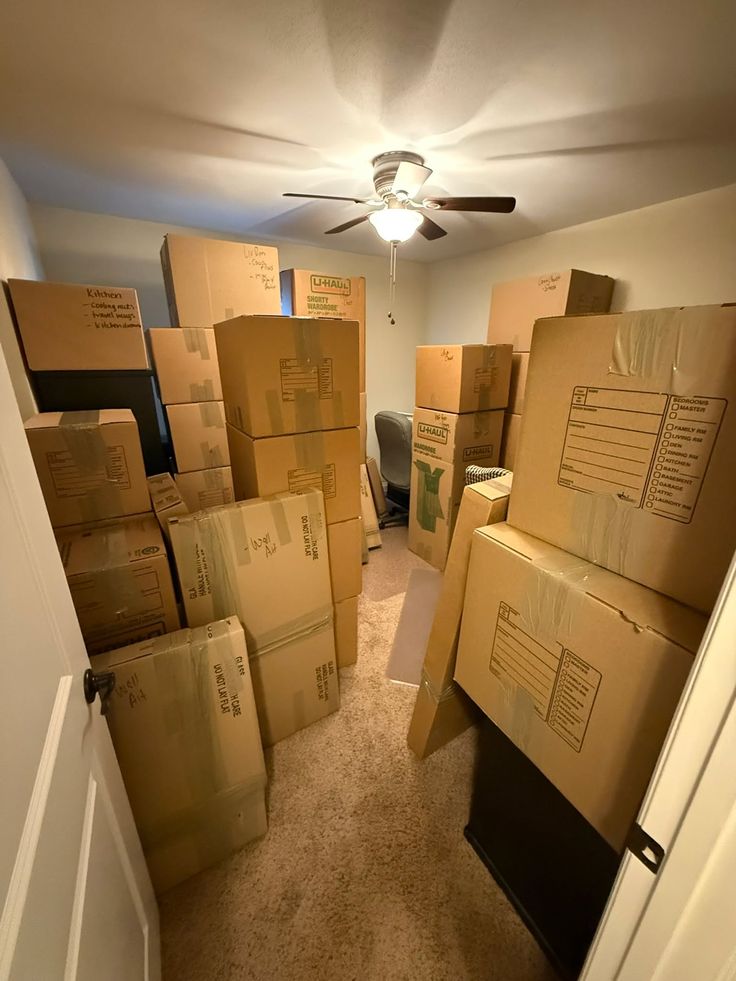
Room Boxes: Pack and label boxes clearly by destination room in your new home.

Unpack Systematically: Set up one room completely before starting another. This prevents the chaos of half-unpacked boxes throughout your home.

Adjusting to Your New Space

The transition doesn’t end on moving day. Adjusting to a smaller space takes time.

Give Yourself Time

You might feel cramped initially or second-guess some decisions about what you kept or let go. This is normal. Most people adjust within a few months and come to appreciate the freedom and simplicity of downsizing.

Resist Reaccumulating

Having successfully downsized, maintain your streamlined lifestyle. Be intentional about new purchases. For every item you bring in, consider removing something.

Embrace the Benefits

Focus on the positives: less cleaning, lower bills, more time for activities you enjoy, and the freedom that comes with owning less.

Stay Connected

Many downsizers move to new communities. Make an effort to connect with neighbors, join community activities, and build a new social network.

When to Get Professional Help

If downsizing feels overwhelming, consider professional assistance:

Professional Organizers: Certified organizers specializing in downsizing provide hands-on help and emotional support.

Senior Move Managers: These specialists help older adults through the entire downsizing and moving process.

Therapists or Counselors: If emotional overwhelm prevents progress, a mental health professional can help you process feelings and move forward.

Conclusion

Downsizing is more than just moving to a smaller space—it’s a lifestyle transition that can be incredibly freeing. While the process requires effort and emotional work, the outcome typically exceeds expectations. Most people who downsize report greater satisfaction with their living situation, reduced stress, and more time and money for things they truly value.

Approach downsizing as an opportunity rather than a loss. You’re not just letting go of stuff; you’re making room for a new, often better chapter of life. With proper planning, adequate time, and the right support, downsizing can be one of the best decisions you make.

Ready to downsize with professional support?

Contact TrustWay Movers & Logistics for assistance with your downsizing move:

📧 Email: trustwaymoversandlogistics@gmail.com
📞 Phone: 08962591830 | 09179900979
💬 WhatsApp: 9179900979
🌐 Website: www.trustwaymoversandlogistics.com

We understand the unique challenges of downsizing and are here to make your transition smooth and stress-free!

 
Content is user-generated and unverified.
 
Moving with Kids

Moving with Kids

Moving with Kids: A Parent's Complete Guide to Stress-Free Family Relocation

Moving to a new home is one of life’s most stressful events for adults, and it can be even more challenging for children. Kids thrive on routine and familiarity, so uprooting them from their known environment—friends, school, neighborhood—can trigger anxiety, sadness, or behavioral issues. However, with thoughtful planning and the right approach, you can turn moving into a positive, even exciting experience for your children while maintaining your own sanity.

This comprehensive guide provides practical strategies to help your family navigate relocation smoothly, addressing children’s emotional needs while managing the logistics of moving.

Understanding How Moving Affects Children at Different Ages

Children process change differently depending on their developmental stage. Understanding these differences helps you provide age-appropriate support.

Infants and Toddlers (0-3 Years)

Very young children won’t understand the concept of moving, but they’re highly sensitive to disruptions in routine and parental stress. Babies pick up on their parents’ anxiety, which can manifest in fussiness, sleep disruptions, or clinginess.

For this age group, maintaining routines is crucial. Keep nap times, meal times, and bedtime rituals as consistent as possible throughout the moving process. Bring familiar items—favorite blankets, stuffed animals, toys—to your new home immediately. Set up their room first so they have a familiar, comfortable space from day one.

Preschoolers (3-5 Years)

Preschoolers understand they’re moving but may not fully grasp what that means. They might worry about leaving toys behind or not seeing friends anymore. Separation anxiety is common at this age, and moving can intensify these feelings.

Use simple, concrete language to explain the move. Show them pictures of your new home and neighborhood. Read books about moving to help them process the experience. Maintain their daily routines and allow them to pack a special box of their favorite things.

School-Age Children (6-12 Years)

Elementary school children understand the permanence of moving and may grieve leaving friends, their school, and familiar places. They might express anger, sadness, or anxiety about the move, or act out behaviorally.

Involve them in the moving process in age-appropriate ways. Let them help with decisions like decorating their new room. Facilitate goodbyes with friends through farewell parties or playdates. Help them research their new school and neighborhood to build excitement about new opportunities.

Teenagers (13-18 Years)

Teens typically have the strongest negative reactions to moving. Their social connections are paramount, and leaving friends during these crucial years can feel devastating. They may express anger, resentment, or sadness about the move.

Acknowledge their feelings without dismissing them. Give them as much control as possible over aspects of the move like room decoration or timing. Help them stay connected to friends through social media and planned visits. If possible, involve them in choosing the new home or at least visit the area before moving.

Preparing Your Children for the Move

Have Honest Conversations Early

Tell children about the move as soon as the decision is firm, giving them time to process and prepare. Be honest about the reasons for moving in age-appropriate terms. Frame the move positively while acknowledging it’s normal to have mixed feelings.

For younger children, focus on exciting aspects like a new room or nearby park. For older children and teens, be more detailed about reasons for the move, whether it’s a job change, better schools, or being closer to family.

Address Their Concerns

Create space for children to express fears and ask questions. Common concerns include:

  1. Will I make new friends?
  2. What if I don’t like my new school?
  3. Will I get lost in the new neighborhood?
  4. Can I still see my old friends?
  5. What about my activities and hobbies?

Answer questions honestly and reassure them. Explain how you’ll help them adjust, like researching activity programs in your new area or planning visits back to see friends.

Visit the New Area if Possible

If your new home is within driving distance, visit before moving. Tour the neighborhood, drive by the new school, visit local parks, and check out family-friendly attractions. This makes the unknown familiar and helps children visualize their new life.

If you can’t visit in person, explore virtually. Use Google Street View to “walk” the neighborhood, look at the school’s website together, and research local activities online.

Moving with Kids

Involve Children in Age-Appropriate Ways

Give children some control over the process to reduce anxiety:

For Young Children:

  1. Let them choose which stuffed animals to pack in their special box
  2. Allow them to help wrap unbreakable items
  3. Let them decorate moving boxes with stickers or drawings
  4. Involve them in choosing colors for their new room

For School-Age Children:

  1. Let them help pack their own rooms
  2. Involve them in planning the layout of their new room
  3. Ask them to research activities or clubs in the new area
  4. Have them create a memory book or photo album of their current home

For Teens:

  1. Include them in house-hunting if possible
  2. Let them make major decisions about their new room
  3. Allow them input on the moving timeline when possible
  4. Involve them in researching schools, activities, and job opportunities

Maintaining Routines During the Moving Process

Consistency provides security during times of change. As much as possible, maintain regular routines:

Daily Schedules: Keep wake-up times, meal times, and bedtimes consistent. Even during the chaos of packing, prioritize these anchors of normalcy.

Special Activities: Don’t cancel weekly activities like sports practice, music lessons, or family game night. These familiar activities provide stability.

Quality Time: Moving consumes adult attention, but children need dedicated one-on-one time. Schedule daily check-ins to talk about their feelings and maintain connection.

Bedtime Rituals: Reading bedtime stories or other nighttime routines are especially important during stressful transitions.

Saying Goodbye: Helping Kids Handle Transitions

Leaving friends and familiar places is often the hardest part of moving for children. Help them say proper goodbyes:

Farewell Events

For Young Children: Host a simple playdate where friends can play together one last time. Take photos of them with their friends.

For School-Age Children: Organize a going-away party with their closest friends. Consider a special outing to their favorite place with their best friend.

For Teens: Allow them to plan their own farewell gatherings. Facilitate last outings with friends and help them make plans to stay in touch.

Memory Keeping

Help children create lasting memories:

  1. Take photos of their room, house, neighborhood, and school
  2. Create a memory book or scrapbook with friends’ signatures and messages
  3. Make a video tour of special places in your current town
  4. Collect mementos like a rock from their favorite park or leaves from their special tree

Staying Connected

Modern Technology Makes Distance Easier:

  • Set up video chat accounts for staying in touch with friends
  • Create private social media groups or online chat rooms
  • Plan the first visit back or the first friend visit to the new home
  • Exchange physical addresses for writing letters (especially meaningful for younger children)

Moving Day with Children

Moving day is chaotic and exhausting. Plan ahead to make it as smooth as possible for your children:

Childcare Considerations

If possible, arrange for children to spend moving day with a trusted family member or friend. Young children underfoot during the move creates safety concerns and additional stress. Even if your children are older and want to help, having them out of the house during the most hectic hours benefits everyone.

If arranging childcare isn’t possible:

  1. Pack a special activity box with toys, books, and snacks to keep children occupied
  2. Designate one room as a “safe zone” where children can play without being in the way
  3. Assign older children specific, manageable tasks so they feel involved but aren’t overwhelmed
  4. Take regular breaks to check in with them

Safety First

Moving Day Hazards:

  1. Heavy boxes and furniture being carried
  2. Doors constantly opening
  3. Strangers (movers) throughout the house
  4. Vehicles loading and unloading

Clearly communicate safety rules and designate a safe area where children should stay unless helping with an assigned task.

First Night Preparations

Pack a special box for each child containing:

  1. Favorite stuffed animals or comfort items
  2. Pajamas and outfit for the next day
  3. Toiletries
  4. Snacks and water bottles
  5. Books or quiet activities
  6. Bedding (sheets, blanket, pillow)

Setting up children’s rooms first helps them feel settled on that first night in your new home.

Settling Into Your New Home

The first few weeks in your new home set the tone for adjustment. Prioritize helping children acclimate:

Create Familiar Spaces

Set up children’s rooms as quickly as possible, arranging furniture and possessions in ways that feel familiar. If possible, replicate their old room’s layout. Let them personalize their space with decorations, posters, and organization that makes it feel like theirs.

Establish New Routines

While maintaining some familiar routines, establish new ones specific to your new home and community. This might include walking to a nearby park every Saturday morning or trying a new family restaurant each week.

Explore the Neighborhood Together

Take family walks or bike rides to explore your new area. Find the nearest parks, library, grocery store, and other family-friendly locations. This helps everyone feel oriented and reduces anxiety about the unknown.

Create a neighborhood scavenger hunt:

  1. Find a friendly neighbor dog
  2. Locate the nearest playground
  3. Find a interesting tree
  4. Discover the best spot for sunset viewing
  5. Identify the closest ice cream shop

Get Involved in the Community

For All Ages:

  • Visit local parks and recreation areas
  • Check out the local library and sign up for a card
  • Attend community events and festivals
  • Join neighborhood social media groups

For School-Age Children:

  • Sign up for sports teams or clubs
  • Enroll in summer camps or programs
  • Visit playgrounds to meet other children
  • Look for special interest classes (art, music, sports)

For Teens:

  • Research part-time job opportunities
  • Find volunteer opportunities related to their interests
  • Identify clubs and activities at their new school
  • Connect with local teen centers or community programs

Starting at a New School

School transitions require special attention, as academic and social adjustment happen simultaneously.

Before School Starts

Visit the School: Tour the building if possible. Meet teachers, find the cafeteria and bathrooms, and walk the route to class.

Connect with Families: Reach out to other families in your neighborhood or your child’s grade. Many schools have parent organizations that can connect you with welcomers.

Review Academics: Look at the curriculum to see if your child will need any catching up or enrichment.

Discuss Social Strategies: Talk about how to introduce themselves, join conversations, and make friends.

The First Days

For Younger Children:

  1. Walk them to class the first day if allowed
  2. Pack a special note in their lunch
  3. Ask specific questions about their day beyond “How was school?”
  4. Plan something fun after school to look forward to

For Older Children and Teens:

  1. Respect their desire for independence but be available
  2. Don’t push too hard about making friends immediately
  3. Listen without judgment when they share concerns
  4. Keep communication lines open

Monitor Adjustment

Watch for signs your child is struggling:

  1. Changes in eating or sleeping patterns
  2. Withdrawal from family or activities
  3. Declining grades
  4. Reluctance to go to school
  5. Frequent complaints of headaches or stomachaches
  6. Behavioral changes

If concerning signs persist beyond the initial adjustment period (typically 2-3 months), consider consulting with school counselors or a child therapist.

Dealing with Different Reactions

Children in the same family often react differently to moving. One child might adapt quickly while another struggles. This is normal and doesn’t reflect on your parenting or the child’s resilience.

For the Resistant Child

Some children express strong opposition to moving. They may refuse to pack, act out, or repeatedly express how much they hate the new place.

How to Help:

  1. Validate their feelings without trying to “fix” them immediately
  2. Allow them to grieve what they’ve lost
  3. Don’t force false enthusiasm
  4. Find something they’re genuinely excited about in the new place
  5. Give them extra time and patience for adjustment
  6. Maintain connection to old friends and places when possible

For the Anxious Child

Other children become anxious about all the unknowns. They may have trouble sleeping, complain of stomachaches, or ask repetitive questions.

How to Help:

  1. Provide detailed information about what to expect
  2. Create visual schedules or timelines
  3. Practice relaxation techniques together
  4. Maintain predictable routines
  5. Address fears specifically rather than generally
  6. Offer extra reassurance and physical comfort

For the Quietly Struggling Child

Some children internalize stress, seeming fine on the surface while struggling internally. They might not voice concerns but show distress through behavior changes.

How to Help:

  1. Create opportunities for them to express feelings (art, journaling, conversation)
  2. Watch for subtle signs of distress
  3. Spend one-on-one time without forcing conversation
  4. Let them know it’s okay to have mixed feelings
  5. Provide outlets for processing emotions

Taking Care of Yourself Too

You cannot support your children through moving stress if you’re completely depleted. Parental stress directly affects children, so prioritizing your own wellbeing isn’t selfish—it’s necessary.

  1. Accept help from friends, family, or professional movers
  2. Take breaks during the packing process
  3. Maintain your own stress-management practices
  4. Communicate openly with your partner about sharing responsibilities
  5. Give yourself grace when things don’t go perfectly
  6. Seek support from friends or professionals if you’re overwhelmed

Making Moving Easier with Professional Help

Professional moving services can significantly reduce stress for families. When you’re not exhausted from physical labor, you have more energy for supporting your children emotionally.

TrustWay Movers & Logistics understands that family moves require special consideration. Our services can help:

  1. Professional packing saves you time to focus on your children
  2. Efficient moving minimizes disruption to family life
  3. Storage solutions if your moving dates don’t align with children’s school schedules
  4. Experienced movers who work safely around children

Conclusion: This Too Shall Pass

Moving with children presents unique challenges, but it also offers opportunities—for resilience, adventure, and family bonding. Most children adapt successfully to moves with time and support. Be patient with them and with yourself.

Remember that adjustment takes time. While some children settle in within weeks, others need several months. Ongoing support, open communication, and patience help children not just survive a move, but thrive in their new environment.

Years from now, your family will look back on this move as a significant chapter in your story. With the right approach, it can be a chapter of growth, adventure, and family unity rather than just stress and disruption.

Need help making your family move smoother?

Contact TrustWay Movers & Logistics for services that take the stress out of relocation:

📧 Email: trustwaymoversandlogistics@gmail.com
📞 Phone: 08962591830 | 09179900979
💬 WhatsApp: 9179900979
🌐 Website: www.trustwaymoversandlogistics.com

Let us handle the logistics while you focus on your family’s transition!

A Complete Guide to Avoiding Scams and Finding Reliable Movers

How to Choose the Right Moving Company

How to Choose the Right Moving Company: A Complete Guide to Avoiding Scams and Finding Reliable Movers

Choosing a moving company is one of the most important decisions you’ll make during your relocation. The right movers will transport your belongings safely, efficiently, and with professionalism. The wrong choice can result in damaged items, unexpected costs, or even worse—falling victim to moving scams that leave you stranded or held hostage for additional payment.

With countless moving companies competing for your business, how do you identify trustworthy professionals from unreliable operators? This comprehensive guide walks you through everything you need to know to choose a moving company you can trust with your most valuable possessions.

Understanding Different Types of Moving Companies

Not all moving companies are the same. Understanding the different types helps you choose one that matches your specific needs.

Full-Service Movers: These companies handle every aspect of your move, from packing and loading to transportation, unloading, and even unpacking. They provide all materials and labor. This is the most convenient option but typically the most expensive.

Self-Service Movers: These companies provide the truck and driver, but you’re responsible for packing, loading, and unloading. This option saves money if you’re willing to do the physical work or can recruit friends and family to help.

Specialty Movers: Some companies specialize in specific types of moves, such as pianos, antiques, fine art, or high-value items. If you have specialty items, look for movers with relevant expertise.

Local vs. Long-Distance Movers: Local movers typically handle moves within the same city or state, while long-distance movers are equipped for interstate relocations. Some companies handle both, while others specialize in one type.

Red Flags: Warning Signs of Unreliable or Fraudulent Movers

Before we discuss what to look for in a good moving company, let’s identify warning signs that should make you walk away:

No Physical Address: Legitimate moving companies have actual physical locations. Be wary of companies that only provide a P.O. box or refuse to share their business address.

No In-Home or Virtual Estimate: Reputable movers provide estimates after seeing what you’re moving, either through an in-home visit or virtual survey. Companies that provide quotes over the phone without seeing your belongings cannot give accurate estimates.

Large Upfront Deposits: While deposits are common, requesting large amounts of cash upfront (especially the entire amount) is a major red flag. Most reputable movers require payment upon delivery, not before.

No Written Estimate: Everything should be in writing. Verbal agreements leave you with no recourse if disputes arise. Legitimate companies provide detailed written estimates.

Unmarked Trucks: Professional moving companies have clearly marked trucks with company logos and contact information. Unmarked rental trucks suggest an unprofessional or fraudulent operation.

No Insurance or Licensing: Ask about insurance coverage and verify licensing. Companies that can’t provide proof of insurance or licensing should be avoided.

Extremely Low Estimates: If a quote seems too good to be true, it probably is. Extremely low estimates often result in surprise charges on moving day or poor service quality.

Poor Online Presence: In today’s digital age, legitimate businesses have websites and online reviews. A company with no online presence or exclusively negative reviews should raise concerns.

Essential Questions to Ask Before Hiring a Moving Company

Ask these important questions to evaluate potential movers:

About the Company

How long have you been in business? Experience matters. Companies with long track records typically provide more reliable service.

Are you licensed and insured? Verify they have proper licensing for the type of move you’re making and adequate insurance coverage.

Do you have any industry certifications or affiliations? Membership in professional organizations suggests a commitment to industry standards.

Can you provide references? Reputable companies readily provide references from recent customers.

About the Estimate

Will you provide a binding estimate? Binding estimates guarantee the price won’t increase (as long as you don’t add items or services). Non-binding estimates can increase on moving day.

What’s included in the estimate? Clarify exactly what services are covered—packing, loading, transportation, unloading, unpacking, etc.

Are there any potential additional charges? Ask about charges for stairs, long carries, heavy items, or other factors that might increase costs.

What forms of payment do you accept? Know payment expectations and methods accepted.

About the Move

Will you pack my items, or do I need to? Understand who’s responsible for packing and whether professional packing is included or available.

What items won’t you move? Most movers won’t transport hazardous materials, perishable food, plants, or pets. Understand restrictions.

What’s your claims process for damaged items? Know how to file a claim if something is damaged and what coverage you have.

Who will be handling my move? Will it be company employees or subcontractors? This affects accountability.

How to Choose the Right Moving Company

What to Look For in a Quality Moving Company

Proper Licensing and Insurance

Legitimate moving companies carry proper licensing and insurance. For interstate moves, check that the company is registered with the Federal Motor Carrier Safety Administration (FMCSA) and has a valid USDOT number. For local moves, verify state and local licensing requirements.

Insurance is equally important. At minimum, movers should carry liability insurance and workers’ compensation. Ask about their coverage limits and what happens if your items are damaged or lost.

Transparent Pricing

Quality movers provide clear, detailed estimates that break down costs. You should understand exactly what you’re paying for and what factors might affect the final price. Be wary of vague estimates or companies unwilling to explain their pricing structure.

Understand the difference between binding and non-binding estimates. A binding estimate guarantees the quoted price, while a non-binding estimate can change based on actual weight or time required. Some companies offer binding-not-to-exceed estimates, which guarantee you won’t pay more than quoted but might pay less.

Professional Communication

From your first contact, evaluate how the company communicates. Are they responsive to calls and emails? Do they answer questions clearly and thoroughly? Are they patient with your concerns? Professional communication suggests you’ll receive professional service throughout your move.

Comprehensive Services

While not every move requires full-service packing, it’s reassuring to know a company offers comprehensive services. This indicates they have the expertise and resources to handle complex moves. Companies offering services like packing, storage, specialty item handling, and unpacking demonstrate versatility and experience.

Positive Reviews and Reputation

Research the company’s reputation through online reviews, social media, and the Better Business Bureau. Look for patterns in reviews rather than focusing on individual complaints (every company has some unsatisfied customers). Are most customers happy? Do they praise specific aspects of service? How does the company respond to negative reviews?

Written Contract

Everything should be documented in a written contract that includes pickup and delivery dates, payment terms, liability coverage, and a detailed inventory of items being moved. Read the contract thoroughly before signing and keep a copy for your records.

The Estimation Process: What to Expect

Professional moving companies conduct thorough estimates before quoting prices. Understanding this process helps you evaluate whether a company is taking your move seriously.

In-Home Estimates

For in-home estimates, a representative visits your home to see exactly what you’re moving. They should:

  1. Walk through every room, including closets, garage, attic, and basement
  2. Ask questions about what’s being moved and what’s staying
  3. Inquire about any special items or concerns
  4. Evaluate access at both your current and new locations
  5. Provide a detailed, written estimate after the walkthrough

This process typically takes 30-60 minutes for an average home. Be suspicious of “estimators” who spend only a few minutes or don’t thoroughly inspect your belongings.

Virtual Estimates

Virtual estimates use video technology to conduct the survey remotely. You provide a video tour of your home via smartphone or computer while a moving specialist evaluates your belongings remotely. When conducted properly, virtual estimates can be just as accurate as in-home estimates while offering greater convenience and flexibility.

At TrustWay Movers & Logistics, we offer both in-home and virtual estimates, giving you the flexibility to choose what works best for your schedule and comfort level.

Understanding Moving Insurance and Valuation

All moving companies must offer basic liability coverage, but this minimal protection is often insufficient. Understanding your insurance options is crucial.

Released Value Protection: This is the most basic coverage, included at no additional cost. It typically covers 60 cents per pound per item. For a 50-pound television, you’d receive only $30 if it were destroyed—far less than replacement cost.

Full Value Protection: This more comprehensive coverage requires the moving company to either repair the item, replace it with a similar item, or provide a cash settlement for current market value. This costs extra but provides significantly better protection.

Third-Party Insurance: Some people purchase additional insurance through third-party providers for very valuable items or extra peace of mind.

Always verify what coverage is included in your quote and consider purchasing additional protection if you’re moving valuable items.

Timing Your Move for Best Results

Timing can significantly affect both the availability and cost of moving services. Understanding peak moving periods helps you plan strategically.

Peak Season: Summer months (May through September) are the busiest moving season, especially at the end of months when most leases expire. Expect higher prices and less availability during these times.

Off-Peak Season: Moving during fall, winter, or early spring often results in better rates and more flexible scheduling. Weekday moves are typically cheaper and more available than weekend moves.

Booking Timeline: For summer moves or end-of-month dates, book at least 6-8 weeks in advance. For off-peak moves, 3-4 weeks notice is usually sufficient, though earlier is always better.

Red Tape: Important Paperwork and Documentation

Keep detailed records throughout the moving process:

Inventory List: Create or verify the inventory list provided by movers. This documents what’s being moved and its condition before the move.

Bill of Lading: This is your contract with the moving company and your receipt for services. It should include pickup and delivery addresses, delivery date, payment terms, and the valuation coverage you’ve chosen. Keep this document accessible throughout your move.

Estimate and Contract: Retain copies of all written estimates and the final contract.

Receipts: Keep receipts for all moving-related expenses, as some may be tax-deductible if you’re moving for work.

Photos: Consider photographing valuable items before packing. This documentation can be valuable if you need to file an insurance claim.

Making Your Final Decision

After gathering estimates and evaluating companies, how do you make your final choice? Consider these factors:

Value, Not Just Price: The cheapest option isn’t always the best value. Consider the company’s reputation, services included, and your overall comfort level with them.

Professionalism: How professional was their estimation process? Were they punctual, thorough, and courteous?

Your Gut Feeling: Sometimes intuition matters. If something feels off about a company, trust your instincts and look elsewhere.

Services Needed: Choose a company that offers the specific services your move requires, whether that’s specialty item handling, storage, or full-service packing.

What TrustWay Movers & Logistics Offers

At TrustWay Movers & Logistics, we understand that trust is earned through transparent communication, professional service, and consistent results. Here’s what sets us apart:

  1. Free virtual or in-home estimates with no obligation
  2. Clear, detailed pricing with no hidden fees
  3. Fully licensed and insured for your protection
  4. Experienced, professional moving crews
  5. Comprehensive services from packing to storage
  6. Responsive customer service before, during, and after your move
  7. Commitment to handling your belongings with care and respect

We’ve built our reputation on reliability, professionalism, and customer satisfaction. When you choose TrustWay, you’re choosing a moving partner committed to making your relocation as smooth and stress-free as possible.

Conclusion

Choosing the right moving company requires research, asking the right questions, and trusting your judgment. Don’t rush this important decision. Take time to evaluate multiple companies, verify their credentials, and choose a mover you feel confident will treat your belongings with the care they deserve.

Remember that the lowest price doesn’t always represent the best value. Quality movers provide peace of mind, protect your possessions, and make your transition to your new home significantly easier. That peace of mind is worth the investment.

Ready to experience professional, reliable moving services?

Contact TrustWay Movers & Logistics today for a free estimate:

📧 Email: trustwaymoversandlogistics@gmail.com
📞 Phone: 08962591830 | 09179900979
💬 WhatsApp: 9179900979
🌐 Website: www.trustwaymoversandlogistics.com

Let us show you why families and businesses throughout the region trust TrustWay for their moving needs!

 
15 Expert Packing Tips

15 Expert Packing Tips

15 Expert Packing Tips That Will Save You Time, Money, and Stress During Your Move

Packing is often the most time-consuming and overwhelming part of moving. Whether you’re relocating across town or across the country, how you pack can make the difference between a smooth move and a stressful experience filled with broken items and disorganization. After years of helping families and businesses relocate, we’ve gathered the best packing tips that will save you time, money, and countless headaches.

1. Start Packing Earlier Than You Think You Need To

One of the biggest mistakes people make is underestimating how long packing takes. What seems like it should take a weekend often stretches into weeks. Start packing at least six weeks before your move date, beginning with items you use least frequently.

Start with storage areas, seasonal items, books, and decorative pieces. As moving day approaches, you’ll gradually pack more essential items until only daily necessities remain. This gradual approach prevents the last-minute panic that leads to careless packing and forgotten items.

2. Declutter Before You Pack

Moving is expensive, and you pay based on weight and volume. Why pay to move items you don’t need, use, or even want? Before you pack a single box, go through your belongings with a critical eye.

Use the one-year rule: if you haven’t used something in the past year, seriously consider whether you need to keep it. Donate items in good condition to charity, sell valuable items online or through a garage sale, and responsibly dispose of items that can’t be donated or sold.

Decluttering serves multiple purposes. You’ll have fewer boxes to pack and move, lower moving costs, and less to unpack at your new home. You’ll also start fresh in your new space without unnecessary clutter.

3. Invest in Quality Packing Materials

While it’s tempting to cut costs by using old boxes from the grocery store or inadequate packing materials, this often backfires. Weak boxes collapse under weight, leading to damaged items and repacking hassles. Quality materials protect your belongings and make the moving process smoother.

Essential packing materials include sturdy moving boxes in various sizes, packing tape (lots of it), bubble wrap, packing paper, and markers for labeling. Specialty items like dish pack boxes, wardrobe boxes, and mattress covers are worth the investment for specific items.

If you’d rather avoid the hassle of gathering supplies, professional packing services from companies like TrustWay Movers & Logistics include all necessary materials and expert packing, often costing less than you’d expect when you factor in your time and the reduced risk of damage.

4. Use the Right Size Box for the Right Items

Box size matters more than you might think. A common mistake is packing heavy items in large boxes, creating boxes that are impossible to lift safely and risk breaking under their own weight.

Pack heavy items like books, tools, and canned goods in small boxes. These items are dense and add up quickly in weight. Medium boxes work well for most kitchen items, toys, and general household goods. Large boxes should be reserved for lightweight, bulky items like pillows, linens, comforters, and lampshades.

This approach keeps boxes at a manageable weight for lifting and prevents box bottoms from giving out under excessive weight.

5. Master the Art of Strategic Labeling

Labeling seems obvious, but there’s a right way and a wrong way to do it. Simply writing “kitchen” on a box isn’t enough when you have fifteen kitchen boxes and need to find your coffee maker on your first morning in your new home.

Label boxes with both the room destination and a brief description of contents. For example: “Kitchen – Everyday Dishes and Glassware” or “Master Bedroom – Winter Clothes.” Include “FRAGILE” in large letters on boxes containing breakable items, and add “THIS SIDE UP” arrows when contents should remain upright.

Take labeling a step further by numbering boxes and keeping a master inventory list. This way, you can quickly check if box 47 (containing your phone chargers) has been loaded on the truck or is still in the house.

Consider using colored tape or markers to color-code rooms. Assign each room in your new home a color, mark boxes accordingly, and provide your movers with a color-coded floor plan. This makes unloading incredibly efficient.

6. Pack Room by Room

Resist the temptation to randomly pack items from throughout your house into whatever boxes are handy. This creates chaos when unpacking and makes it difficult to find specific items when you need them.

Pack one room at a time, completely finishing that room before moving to the next. This keeps you organized, makes it easier to find things if you need them before the move, and simplifies unpacking. You’ll know exactly which boxes go in which rooms, and you can unpack room by room at your new home.

15 Expert Packing Tips

7. Use Your Linens and Towels as Packing Material

Bubble wrap and packing paper are essential, but you can reduce the amount you need by using items you’re already moving. Towels, sheets, blankets, and clothing make excellent padding for fragile items.

Wrap dishes in dish towels, use bath towels to cushion lamps and decorative items, and fill empty spaces in boxes with t-shirts and socks. This saves money on packing materials, reduces the number of boxes you need, and means you’re packing two things at once: the protective item and the fragile item it’s protecting.

Just remember to wash these items before using them at your new home, as they’ll likely pick up some dust and cardboard debris during the move.

8. Pack Plates and Bowls Vertically

This tip surprises many people, but packing dishes vertically (like records in a record store) rather than stacking them flat reduces the risk of breakage. When dishes are stacked flat, the weight of items above creates pressure that can cause cracks. Vertical packing distributes weight more evenly.

Wrap each plate individually in packing paper or bubble wrap, then place them vertically in a dish pack box with plenty of cushioning material at the bottom and between each plate. Fill any empty spaces with crumpled paper to prevent shifting during transport.

9. Create a "First Night" Essentials Box

Pack a clearly labeled box (or several) with everything you’ll need for your first 24-48 hours in your new home. This should be loaded last on the truck and unloaded first at your destination.

Include items like toiletries, medications, phone chargers, a change of clothes for each family member, basic tools, trash bags, paper towels, toilet paper, soap, snacks, paper plates and plastic utensils, coffee and a coffee maker, and important documents.

Having these essentials easily accessible prevents the frustration of digging through dozens of boxes to find a toothbrush or your phone charger after a long moving day.

10. Photograph Electronics Before Disconnecting

Modern homes have complex entertainment systems, computer setups, and other electronics with multiple cables and connections. Before you disconnect anything, take clear photos of how everything is connected.

Photograph the back of your TV showing which cables go where, your computer setup, your stereo system, and any other complex electronics. These photos will be invaluable when setting up your new home, saving you hours of frustration trying to remember which cord goes where.

Additionally, label cables and cords with tape indicating what they connect to. Store all cables and accessories for a device together in a labeled bag, and pack these bags with the devices they belong to.

11. Pack Jewelry and Valuables Separately

Small, valuable items like jewelry deserve special attention. Don’t pack jewelry in boxes with other items where it can get lost or damaged. Instead, keep jewelry in a small bag or box that you transport personally in your vehicle rather than on the moving truck.

For expensive items like engagement rings or heirloom pieces, consider wearing them during the move or storing them in a secure location. The same applies to important documents, cash, collections, and anything else that would be difficult or impossible to replace.

12. Properly Prepare Appliances

Appliances require special preparation before moving. At least 24 hours before moving day, empty, clean, and defrost your refrigerator and freezer. Leave doors slightly open to prevent odors and mold.

Secure washing machine drums according to manufacturer instructions to prevent damage during transport. Clean your oven and stove, and ensure they’re completely cool before moving. Disconnect and properly prepare dishwashers, being careful with water lines.

For small appliances like coffee makers, toasters, and microwaves, clean them thoroughly and pack them with adequate padding, ideally in their original boxes if you still have them.

13. Don't Overpack Boxes

It’s tempting to fit as much as possible into each box to minimize the number of boxes, but overpacked boxes are more likely to break open and can be too heavy to lift safely. Leave a little space at the top of each box for proper sealing and to prevent boxes from being too heavy.

If a box is so heavy you struggle to lift it comfortably, it’s too heavy. Break that load into two boxes. Remember that your boxes will be stacked during transport, and overpacked boxes on the bottom of a stack are more likely to collapse.

14. Pack Books Strategically

Books are deceptively heavy. A large box full of books can weigh 50-70 pounds or more, making it nearly impossible to lift and likely to break the box bottom. Always pack books in small boxes.

For hardcover books, pack them lying flat. For paperbacks, you can pack them spine down. Fill any gaps with packing paper to prevent shifting. If you have many books, consider whether this is a good time to donate ones you’ve already read or won’t read again.

15. Keep Hardware With Furniture

When you disassemble furniture, it’s crucial to keep all screws, bolts, and hardware together and associated with the correct furniture piece. Use small plastic bags to hold hardware, label each bag with what furniture it belongs to, and tape the bag directly to the furniture or keep all hardware bags together in one clearly labeled box.

Better yet, take photos of furniture before disassembling it and as you disassemble it, showing where each piece goes. This documentation, combined with properly stored hardware, makes reassembly much faster at your new home.

When to Consider Professional Packing Services

While these tips can help you pack efficiently, packing an entire home is time-consuming and physically demanding. Professional packing services offer several advantages:

Time Savings: Professional packers can pack an entire home in a day or less, compared to the weeks it might take you to pack yourself.

Reduced Stress: Let someone else handle the tedious, exhausting work of packing while you focus on other aspects of your move.

Expert Technique: Professional packers know the best methods for protecting various items and work with quality materials.

Insurance Protection: When professional movers pack your items, they typically assume greater liability for damage, giving you additional peace of mind.

Efficiency: Professional packers know how to maximize box space while maintaining proper protection, often resulting in fewer boxes than DIY packing.

TrustWay Movers & Logistics offers flexible packing services, from full-home packing to partial services where we pack only fragile items or specific rooms while you handle the rest.

Final Thoughts

Effective packing is both an art and a science. These tips, developed through years of moving experience, will help you pack more efficiently, protect your belongings better, and make unpacking at your new home much easier. Remember that packing doesn’t have to be a solo endeavor—whether you get help from friends and family or hire professional packers, accepting assistance can make the process much more manageable.

The key to successful packing is starting early, staying organized, and protecting your belongings properly. Take your time, follow these tips, and you’ll arrive at your new home with everything intact and ready to unpack.

Need help with your move?

Contact TrustWay Movers & Logistics for professional packing services and expert moving assistance:

📧 Email: trustwaymoversandlogistics@gmail.com
📞 Phone: 08962591830 | 09179900979
💬 WhatsApp: 9179900979
🌐 Website: www.trustwaymoversandlogistics.com

Let our experienced team handle the packing while you focus on the excitement of your new home!

The Ultimate Moving Checklist

The Ultimate Moving Checklist

The Ultimate Moving Checklist: Your Complete Timeline from 8 Weeks to Moving Day

Moving to a new home is exciting, but it can also feel overwhelming without proper planning. Whether you’re moving across town or across the country, having a structured timeline helps ensure nothing falls through the cracks. This comprehensive moving checklist breaks down everything you need to do from eight weeks before your move to the day you settle into your new home.

8 Weeks Before Moving Day

Start Planning Early

The secret to a stress-free move is starting early. Eight weeks gives you plenty of time to handle everything without feeling rushed.

Create Your Moving Binder: Start a physical or digital folder to keep all moving-related documents, receipts, and important information in one place. Include your moving contract, inventory lists, new home documents, and contact information for everyone involved in your move.

Research Moving Companies: Begin getting quotes from at least three reputable moving companies. For TrustWay Movers & Logistics, you can schedule a free virtual home survey estimate that’s quick, convenient, and accurate. Compare services, read reviews, and check licensing and insurance credentials.

Decide What’s Moving: Walk through your home room by room and decide what you’re taking to your new place. This is the perfect time to start decluttering. Consider the 80/20 rule: we typically use only 20% of what we own regularly. If you haven’t used something in a year, consider whether it’s worth moving.

Start a Moving Budget: Moving expenses add up quickly. Create a comprehensive budget that includes moving company fees, packing supplies, travel costs, utility deposits, and a buffer for unexpected expenses.

6 Weeks Before Moving Day

Book Services and Start Decluttering

Book Your Moving Company: Once you’ve compared quotes and services, book your preferred moving company. Popular moving dates fill up quickly, especially during summer months and at the end of the month, so don’t wait too long.

Begin Decluttering: Start sorting items into four categories: keep, sell, donate, and discard. Be honest with yourself about what you really need and use. Items in good condition can be sold online or donated to local charities. Host a garage sale if you have time and energy.

Measure Your New Space: If possible, visit your new home and measure rooms, doorways, and stairwells. This helps you determine if your current furniture will fit and plan your layout in advance. Take photos of each room from multiple angles for reference.

Notify Important Parties: Start a list of everyone who needs to know about your move: employer, children’s schools, doctors, dentists, veterinarian, insurance companies, and subscription services.

4 Weeks Before Moving Day

Handle Administrative Tasks

Change of Address: File a change of address with the postal service. You can do this online at USPS.com, and it typically takes effect within 7-10 business days. This ensures your mail follows you to your new home.

Transfer or Set Up Utilities: Contact utility companies to schedule disconnection at your current home and connection at your new home. This includes electricity, gas, water, internet, cable, and phone service. Try to schedule utilities to be active a day or two before you move in.

Update Your Address: Notify banks, credit card companies, investment accounts, and any loan servicers of your new address. Update your address with the DMV, voter registration, and insurance companies (home, auto, health, and life).

Gather Important Documents: Collect birth certificates, passports, medical records, school records, tax documents, and any other important paperwork. Keep these with you during the move rather than packing them with other items.

Order Packing Supplies: If you’re packing yourself, order boxes, packing tape, bubble wrap, and markers. Alternatively, consider TrustWay’s professional packing services to save time and ensure your belongings are packed safely.

3 Weeks Before Moving Day

Start Packing Non-Essentials

Begin Packing: Start with rooms you use least and items you won’t need before the move: seasonal decorations, books, extra linens, and out-of-season clothing. Pack one room at a time to stay organized.

Label Everything: Label each box with its contents and destination room in your new home. Use a numbering system and keep a master list of what’s in each box. Mark boxes containing fragile items clearly.

Use Up Perishables: Start using food from your pantry and freezer. Plan meals around what you have to minimize what you need to move or throw away. Avoid grocery shopping for anything beyond essentials.

Confirm Moving Day Details: Touch base with your moving company to confirm the date, time, and any special requirements. Provide them with contact information and directions to both locations.

Arrange Pet and Child Care: If you have young children or pets, arrange for someone to watch them on moving day. This keeps them safe and allows you to focus on supervising the move.

2 Weeks Before Moving Day

Handle Final Details

Notify Landlord: If you’re renting, give your landlord proper notice and schedule a move-out inspection. Take photos of your current home’s condition to document how you left it.

Service Your Vehicle: If you’re driving a long distance, have your car serviced. Check oil, tires, brakes, and fluids. Make sure your vehicle is reliable for the journey.

Plan Your Travel: If moving long-distance, book hotels along your route if needed. Research restaurants and rest stops. Map out your route and share it with family or friends.

Return Borrowed Items: Return anything you’ve borrowed from neighbors or friends, and collect anything you’ve lent out. This is easy to forget in the chaos of moving.

Clean and Repair: Start cleaning areas of your home that are already packed. Make minor repairs required by your lease or to prepare your home for sale.

1 Week Before Moving Day

Final Preparations

Pack a Moving Day Essentials Box: Pack a box or bag with items you’ll need immediate access to: medications, toiletries, change of clothes, phone chargers, important documents, snacks, and basic tools. Keep this with you during the move.

Confirm Everything: Reconfirm with your moving company, utility companies, and anyone else involved in your move. Double-check dates, times, and addresses.

Empty and Defrost: Empty, clean, and defrost your refrigerator and freezer at least 24 hours before moving day. This prevents water damage and odors.

Finish Packing: Complete packing everything except absolute daily essentials. Pack a suitcase with enough clothes and toiletries for a few days as if you’re going on a trip.

Do Final Cleaning: Clean areas as you finish packing them. If you’ve hired professional cleaners, schedule them for after the movers leave.

Moving Day

Stay Organized and Focused

Be Present and Available: Be at your home when movers arrive. Conduct a walkthrough together and point out any items requiring special care or that aren’t being moved.

Supervise the Process: While professional movers know their job, it’s helpful for you to be available to answer questions and make decisions. Check off boxes on your inventory as they’re loaded.

Do a Final Walkthrough: Before leaving, walk through every room, closet, and storage area. Check that nothing is left behind. Turn off lights, lock windows, and secure doors.

Keep Important Items With You: Keep your essentials box, important documents, valuables, and medications with you in your personal vehicle rather than on the moving truck.

Have Payment Ready: Be prepared to pay your movers according to your agreed-upon terms. Most companies accept various payment methods, but confirm in advance.

After the Move

Settling In

Inspect Your Belongings: As items are unloaded, check for any damage. Note any issues on the inventory list before the movers leave. Take photos if necessary.

Prioritize Unpacking: Start with essentials: set up beds, unpack bathroom items, and prepare the kitchen enough to prepare basic meals. You don’t need to unpack everything in one day.

Check Utilities: Ensure all utilities are working properly. Test lights, outlets, water, heating, and cooling systems.

Update Your Driver’s License: Most states require you to update your driver’s license within 30-60 days of moving. Check your state’s specific requirements.

Meet Your Neighbors: Take time to introduce yourself to neighbors. They can provide valuable information about the neighborhood and local services.

Register to Vote: Update your voter registration at your new address so you can participate in local elections.

The Ultimate Moving Checklist

Special Considerations

Moving With Children

Help children adjust by involving them in age-appropriate ways. Let them pack a special box of their favorite things. Visit the new home before moving day if possible. Maintain routines as much as possible during the transition

Moving With Pets

Keep pets in a quiet, secure room during moving day with familiar items. Transport them in your personal vehicle rather than the moving truck. Update their tags and microchip information with your new address immediately.

Long-Distance Moves

Long-distance moves require additional planning. Ship vehicles if you’re flying. Send a box of essentials ahead to arrive before you do. Keep an overnight bag accessible for hotel stays during travel.

Moving Tips for Success

Pack Heavier Items in Small Boxes: Books and dishes should go in small boxes to keep weight manageable. Use large boxes for lightweight items like linens and pillows.

Color Code by Room: Use colored tape or markers for each room. This makes it easy for movers to know where boxes go at your new home.

Take Photos of Electronics Setup: Before disconnecting your TV, computer, or sound system, take photos of how everything is connected. This makes setup at your new home much easier.

Pack a First-Night Box: Include bedding, towels, toilet paper, soap, trash bags, paper plates, and plastic utensils for your first night in your new home.

Keep Hardware Together: When disassembling furniture, put screws and hardware in labeled plastic bags and tape them to the furniture piece or keep them together in one box.

Why Professional Help Makes a Difference

While this checklist helps you stay organized, professional moving services can make your move significantly easier. TrustWay Movers & Logistics offers comprehensive services from professional packing to secure storage solutions, taking the stress out of your relocation.

Moving doesn’t have to be overwhelming. With proper planning, organization, and the right support, you can transition smoothly to your new home. Follow this timeline, stay organized, and don’t hesitate to ask for help when you need it.

Ready to start planning your move?

Contact TrustWay Movers & Logistics today for a free virtual home survey estimate:

📧 Email: trustwaymoversandlogistics@gmail.com
📞 Phone: 08962591830 | 09179900979
💬 WhatsApp: 9179900979
🌐 Website: www.trustwaymoversandlogistics.com

Let us help you make your next move your smoothest move yet!

Moving heavy furniture

Tips for Moving Heavy Furniture

There is no doubt that moving is an expensive and herculean job. Therefore, it is not a bad idea if you consider performing some of disposal and packaging tasks independently to save moving costs. But when it comes to handling bulky and expensive furniture, it is better to leave them for one of Movers and Packers in Indore India professional moving services that can help you avoid the risk of damaging one or a few furniture and getting injured.

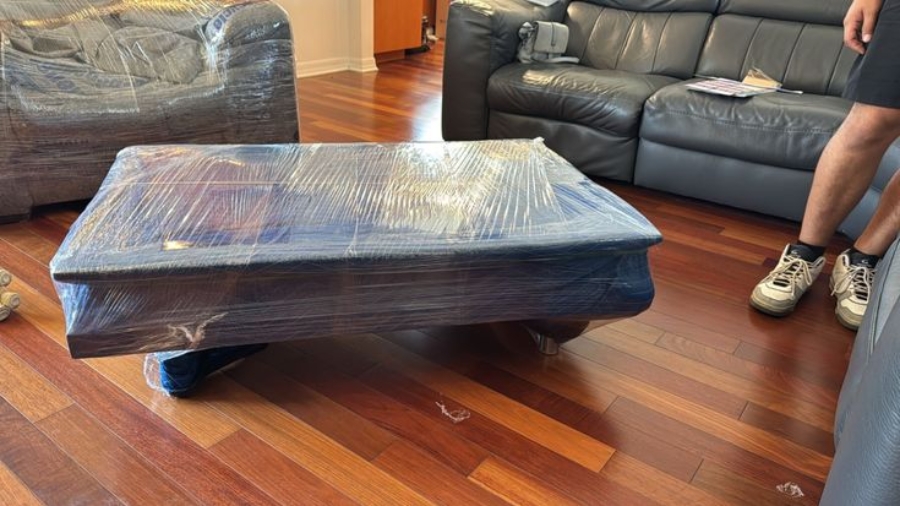
At TrustWay Movers & Logistics, we are here to help you with the Best Movers and Packers in Indore, India. Our first class residential, commercial and specialized moving services range from large furniture, piano and pool table to internal moving services.

Here, we would like to share some useful tips from Trustway Removal the furniture experts to make it easy and efficient to move your bulky and heavy furniture to a new location smoothly and safely.

Make an Evaluation and Make a Plan

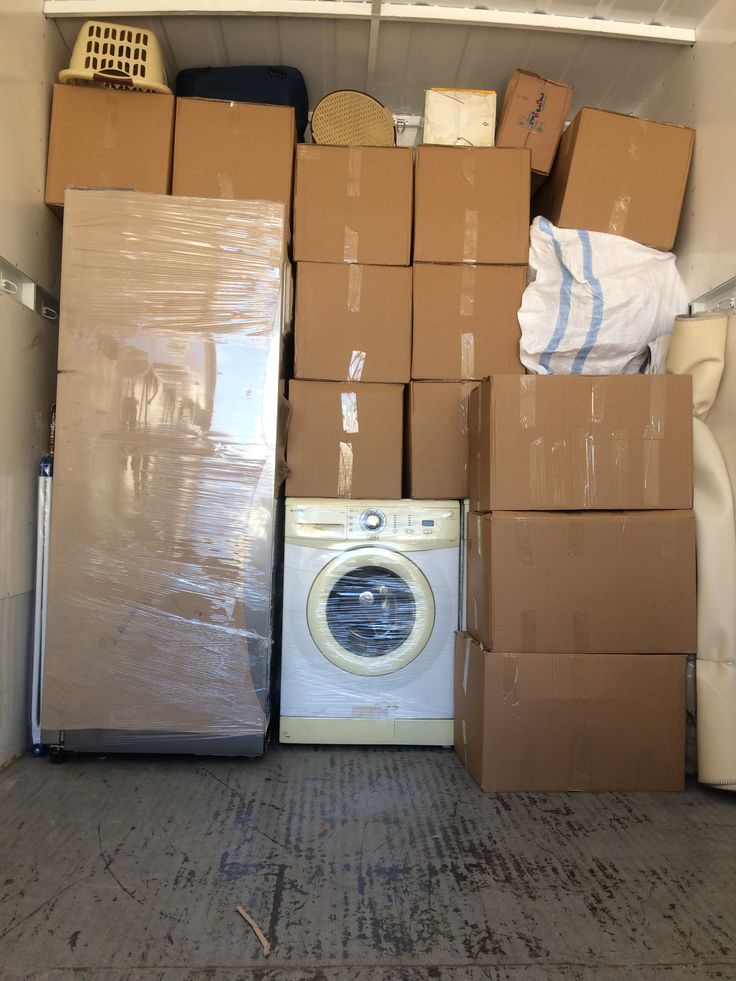
Take inventory of all the essential furniture pieces that you want to move with you. This will help you determine which item you need to load first in the moving truck and where. Heavy furniture is usually placed on the back and around the sides of the vehicle to balance the load and ensure the safe movement of the property. In general, you should prioritize heavy work at the beginning while filling the gaps with smaller items and furniture boxes later. Such organized planning of heavy furniture will help you save time, effort and moving costs.

1f761f11f243a54ba3baf00fc1dbaea5 TrustWay Movers & Logistics

Wear Protective Clothing

It is worth investing in protective clothing, helmet, boots and gloves, as it can protect you from minor or major physical injury during the removal of furniture.

Organize Necessary Tools and Equipment

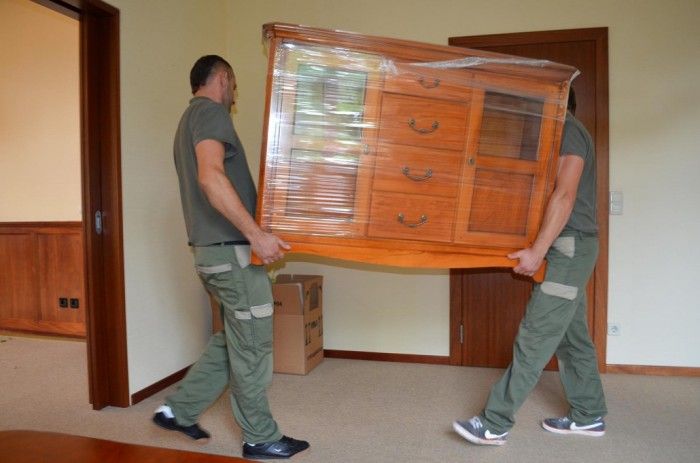
If you want to do all the heavy work on your own without much effort, it is essential that you use some excellent innovations of mobile equipment and tools, such as mobile belts, furniture sliders, furniture trolleys and others. All this specialized equipment can help you lift move and carry heavy and foreign objects, easily and quickly. You can buy all these future equipment at your local hardware store and home goods store or even rent them at furniture Removal.

Remove the Molding to Protect the Doors

Sometimes it is quite difficult and risky to move heavy and large furniture through the doors. You can easily knock your large furniture while maneuvering it against the door. Therefore, it makes sense to remove the molding from the doors to create. Additional space and cover all furniture with padded pillows. That can help you maneuver easily from the doors.

If you are looking for an experienced team of professional Movers and Packers in Al Ain to help you with your next move in India. Its suburbs, end your search in Trustway Movers. We are established nationly as a reliable company of furniture removal from Indore. We offer comprehensive and personalized moving services in Indore. To ensure that all your heavy or large items and valuables arrive. At your new property, safely without a hole in your pocket.

Contact us at TrustWay Movers & Logistics today to get a free quote or program for your next move by completing an online form.